







Search Results for: Fu Hang

Luckin Coconut Latte's fourth anniversary collaboration with Fu Hang stickers fell flat, and staff's self-deprecating jokes sparked widespread discussion.
On the fourth anniversary of the Raw Coconut Latte, Luckin Coffee chose to collaborate with stand-up comedy champion Fu Hang for a co-branded campaign and launched a new product, "Jelly Raw Coconut Latte." However, the co-branded stickers that had been highly anticipated unexpectedly fell flat—many customers returned them on the spot because they didn't recognize the person, didn't like him, or didn't know how to use them. When asked "Who is he?" by customers, staff even had a quick-witted reply: "He might be the founder of the Raw Coconut Latte." Why exactly did this collaboration flop? And how did the merchandise giveaway turn into staff members' "creative ways to clear inventory"? This article takes you through the whole story. [more…]

An 80-Year-Old Ipoh Coffee Powder Factory Closes: Hock Kee Elephant Brand Has No Successor, Third Generation Unable to Keep Up Physically and Reluctantly Shuts Down
In Ipoh, Malaysia, the rich aroma of white coffee cannot be separated from the support of local coffee powder factories, and the Hock Kee (Elephant Brand) coffee powder factory, which has been in operation for a full eighty years, is one of the most representative old establishments among them. This coffee powder factory, founded in the 1930s by Hainanese Fu Hechang, roasts coffee beans using semi-traditional techniques, and has won the trust of three generations of locals with its pure, fragrant quality. Many tea houses in Ipoh have long purchased its coffee powder to make white coffee. However, as the third-generation operators grew older and manpower became scarce, and the fourth generation each had their own careers and no intention of taking over, the family finally decided to cease operations. After the news spread, longtime customers rushed to stock up as mementos, with some even traveling dozens of kilometers just to taste the flavor remembered from years past. This old factory bearing the elephant trademark, after completing its final batch of orders, will officially pass into history. [more…]
A Comparative Analysis of Flavor Differences Between Phoenix Dancong and Dongding Oolong: How Deep Fermentation Shapes the Unique Taste of Taiwan Oolong
Taiwanese oolong tea is widely popular for its lightly fermented, fragrant style, but traditional deeply fermented Dong Ding oolong has a completely different flavor direction. This article starts with the fermentation process, compares the essential differences in taste between Phoenix Dancong and Dong Ding oolong, and provides an in-depth analysis of how deeply fermented oolong tea forms its unique fruity aroma and rich mouthfeel through two stages: internal oxidation and external oxidation. The article also introduces the changes in tea flavor brought about by reduced rainfall in 2018, as well as reservation information for two distinctive oolong teas from Alishan and Dongding Mountain. For those who love exploring the depth of oolong tea flavor, this is a guide to craftsmanship and tasting worth reading carefully. [more…]
Espresso Tasting Guide: How to Drink and Pair Single, Macchiato, Double, and Con Panna
Espresso is renowned for its intense flavor and deep layers, and is hailed as the soul of coffee. It serves both as the base for fancy coffee drinks and is suitable for savoring on its own. This article systematically sorts out the origins, taste characteristics, proper drinking methods, and pairing suggestions for four classic espresso types: Single Espresso, Macchiato, Double Espresso, and Con Panna, and explains the strict requirements for pressure, water temperature, time, and dose during preparation. If you want to consistently replicate it at home, you can also refer to Front Street Coffee's related bean options and equipment ideas to help you understand and enjoy this "kung fu coffee" more professionally. [more…]
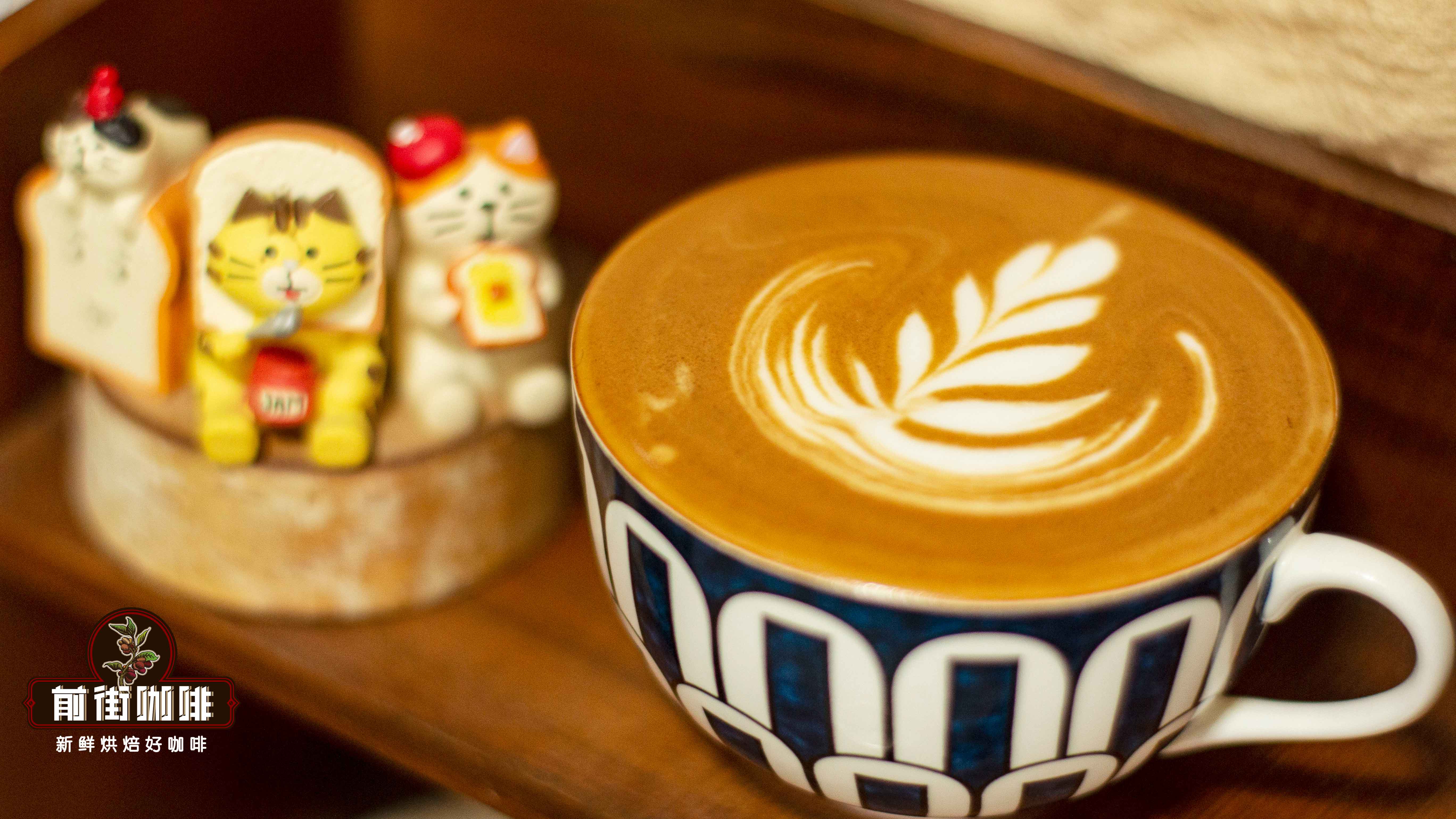
Starbucks Flat White, Costa Flat White, and Luckin Aussie White: A Full Analysis of the Origins, Preparation, and Differences of the Flat White Milk Coffee
The Flat White that Starbucks made popular is actually the "Flat White" on English menus, also commonly known as Australian white coffee. How exactly does it differ from a latte or a cappuccino? This article starts with the controversy over its name, its origin story, the choice of espresso base, and the ratio of milk foam to coffee, clarifying the Australian and New Zealand schools of preparation, and comparing the same drink behind chain-brand names such as Flat White, Artisan White, and Australian White. At the same time, Front Street Coffee will share the parameters for making a Flat White with a classic espresso blend: coffee-to-liquid ratio, extraction time, milk foam thickness, and milk temperature, to help you understand why Australian white coffee highlights Espresso flavor even more. [more…]

After opening for only seven months, Kung Fu Coffee's first national store, which saw an investment of over six million, has ceased operations, drawing renewed attention to the Chinese-style tea-coffee sector.
Kung Fu Coffee, which once made a high-profile debut with the concept of "Eastern tea plus Western coffee," quietly shut down its first national store at Shenzhen's Wongtee Plaza just seven months after opening. Incubated by the team behind "Benlai Buyingyou," the brand's first store was said to have cost over six million yuan to build, and it briefly became an internet-famous check-in spot thanks to its purple interiors and Chinese-element design, reaching an average daily output of 1,200 cups within ten days of opening. Yet consumer reviews were sharply divided, and coupled with the awareness and talent bottlenecks facing the tea-coffee category itself, Kung Fu Coffee's next moves are drawing close attention. [more…]

The Complete Guide to Flat White Coffee: Origins, Preparation, and Differences from Fu Rui Bai
Flat White, Aussie White, Alto White, Little White—these seemingly different names all actually point to the same classic milk coffee originating from the Southern Hemisphere: Flat White. With a stronger coffee flavor than a latte and a finer milk foam texture than a cappuccino, it quickly became popular in the global specialty coffee scene. So how exactly was the Flat White born? Is it really the same drink as Alto White? And how can you make a standard Flat White at home or in a café? This article, from the perspective of Front Street Coffee, systematically sorts out the definition, historical context, recipe ratios, and key production points of Flat White, and answers common questions about its relationship with Alto White, helping you understand this world-famous milk coffee all at once. [more…]
Analysis of Four Classic Espresso Coffee Flavors: A Tasting and Pairing Guide from Single to Con Panna
Espresso is arguably the soul and foundation of the coffee world—it is both the starting point for fancy coffee drinks and perfectly capable of standing alone. A proper Espresso should be topped with a thick layer of dark brown crema, densely marbled with fine striations, and it is already captivating without any embellishment. In this article, we will break down four classic espresso drinks one by one—Single espresso, Macchiato, Double espresso, and Con panna—covering flavor characteristics, extraction essentials, drinking methods, and pairing suggestions, to provide coffee lovers with a complete tasting reference. Whether you are a newcomer to Italian-style coffee or a seasoned connoisseur chasing intense flavors, you will find the right cup for you. [more…]
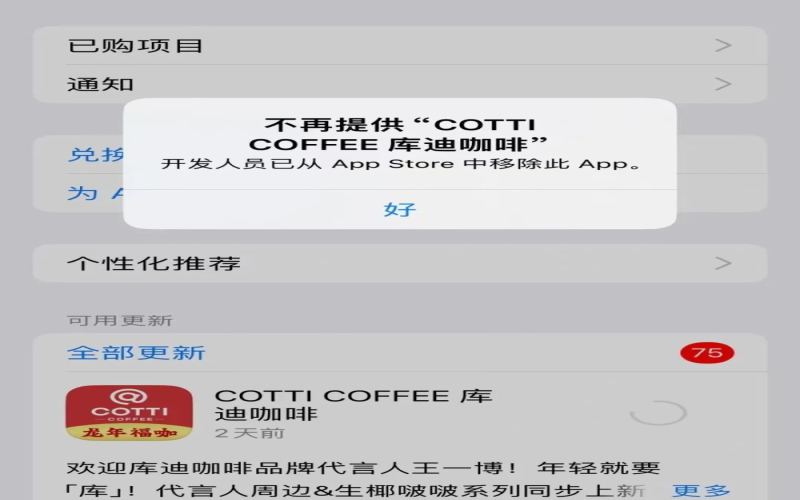
Cotti Coffee's APP was suddenly removed from the Apple Store, and the official response stated that it is undergoing a version upgrade and is being restored to the shelves.
After Luckin adjusted its 9.9-yuan coupon rules, many consumers switched to Cotti's 8.8-yuan discount, and Cotti recently became the top choice for many coffee lovers as a result. However, some netizens discovered that the Cotti Coffee app could no longer be downloaded from the Apple App Store, with the system prompting that the developer had removed the app. This sudden situation sparked widespread speculation, with some worrying that Cotti was having operational problems, while others linked it to the controversy over Messi's Hong Kong friendly match. Cotti's official Weibo subsequently responded that the app was being restored to the shelves due to a version upgrade and suggested that users place orders through the WeChat mini program first. This article will sort out the course of the incident, netizens' reactions, and the official response, and review a series of Cotti's recent moves. [more…]
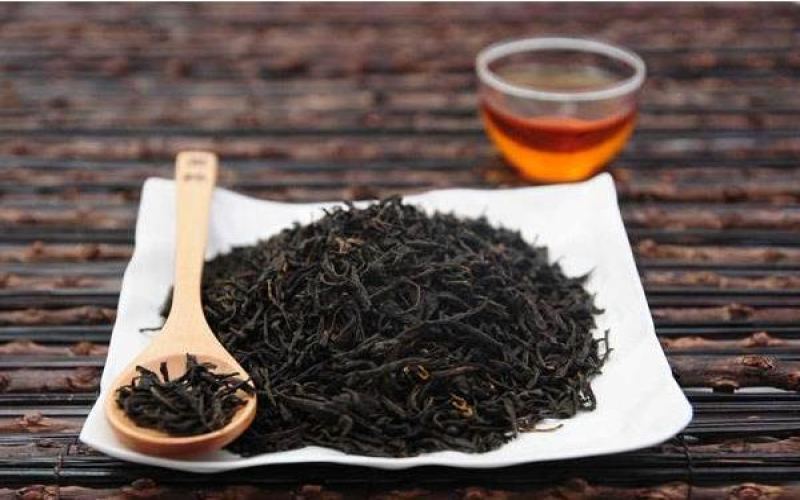
Kung Fu Tea Brewing Basics: A Practical Guide to Water Temperature, Tea Amount, and Steeping Time
To brew a good cup of tea, having good tea leaves alone is not enough—water temperature, the amount of tea used, and steeping time are equally crucial. Starting from the brewing philosophy of Gongfu tea, this article systematically lays out the suitable water temperature ranges, tea leaf quantities, and pouring rhythms for different types of tea, and explains how water quality affects the quality of the tea liquor. Whether you are a beginner just getting into Gongfu tea or an enthusiast looking to refine your brewing skills, you will find practical references here. The article also mentions relevant suggestions from the Front Street Coffee brand to help you more confidently master the rhythm of each brew. [more…]
Espresso Full Analysis: Tasting Methods and Food Pairing Suggestions for Four Classic Kung Fu Coffees
Espresso's status in the coffee world is like the weight of gongfu tea in tea culture—it is both the foundation and the test. A good espresso is covered with a thick layer of dark brown crema, with fine mottled patterns interwoven through it, and it is already moving enough without any embellishment. It is both the soul base of cappuccino and latte, and it can also appear on its own without any dressing. However, from Single espresso to Double espresso, from Macchiato to Con panna, each kind of gongfu coffee has its own character and way of drinking. This article will break down one by one the tasting essentials and pairing suggestions for these four classic espressos, helping coffee lovers no longer feel lost when ordering in a café and also replicate as much as possible that essence extracted within 30 seconds at home. [more…]
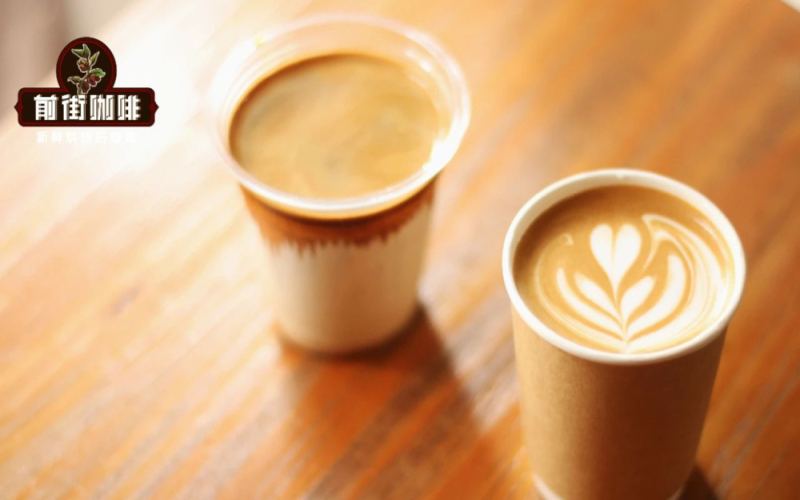
How Is Australian White Coffee Different from Fu Rui Bai and Ao Rui Bai? The Origin Controversy and Key Preparation Points of the Flat White Explained
Many coffee lovers are in the habit of ordering a latte at a café, and in recent years more and more people are choosing a flat white. The flat white is also known as Australian white coffee, and some call it fu rui bai or ao rui bai. Whether this coffee originated in Australia or New Zealand remains disputed to this day. The two countries not only each insist on their own claim to its origin, but also have different preferences when it comes to preparation standards—Australia tends toward a single shot of espresso, while New Zealand often uses a double ristretto. This article reviews the historical written records of the flat white, its differences from the latte and cappuccino, and shares the specific method Front Street Coffee uses to produce a flat white in-store, including cup size selection, milk frothing techniques, and coffee bean blending options. [more…]
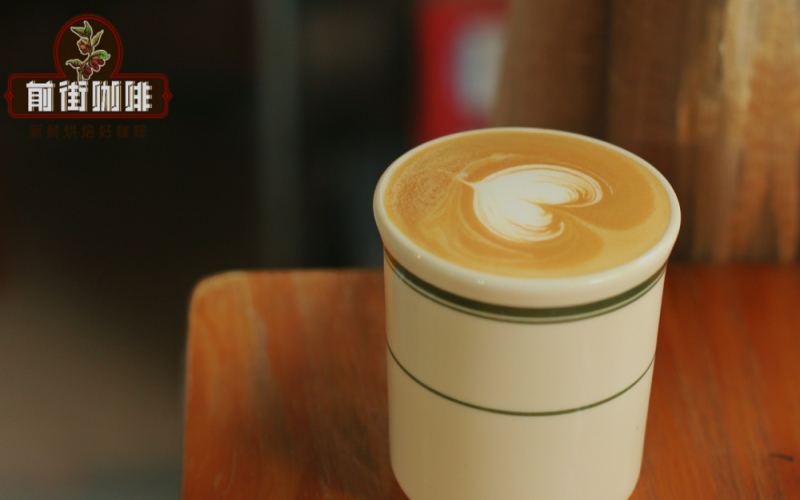
What is a Flat White? Differences from Latte, Cappuccino, and Starbucks Flat White, Plus Front Street Coffee's Detailed Recipe
The name Flat White may be unfamiliar to many, but everyone is surely familiar with Starbucks' Fu Rui Bai (Flat White). In fact, names like Xiaobai Coffee, Fu Rui Bai, Chun Yi Bai, Ao Rui Bai, and Aussie White all refer to the same drink—Flat White. It originated in Oceania, so it is also called Aussie White coffee. Both are combinations of milk and espresso, but what exactly is the difference between a Flat White, a latte, and a cappuccino? Why has Flat White coffee swept the world and become a permanent fixture on the menus of almost every coffee shop? In this article, Front Street Coffee (FrontStreet Coffee) will guide you through the origin and evolution of Flat White coffee, clarify its differences from latte and cappuccino in milk foam thickness and flavor presentation, and share a Flat White recipe made with Front Street Sunflower Warm Sun blend beans, so you can experience that rich and mellow Aussie White flavor at home. [more…]

Are Australian White, Fu Rui White, and Australian Rui White the same coffee? A full analysis of the origin, flavor, and home brewing of Flat White
Walk into any coffee shop, and the Australian White, Flat White, Aussie White, and Artisan White on the menu all actually point to the same drink—Flat White. It has thinner milk foam and a stronger coffee flavor, and in recent years it has been highly sought after in the specialty coffee wave. This article will start with the controversy over the origin of the Flat White, sort out its essential differences from a latte, analyze the philosophies of baristas from different origins, and share Front Street Coffee's complete parameters and production steps for recreating this rich milk coffee at home, taking you through a comprehensive understanding of this small-cup classic Italian milk coffee. [more…]

What is the difference between a flat white and a fu rui bai? Is an iced Flat White feasible? Origin controversy and preparation explained in detail
When you walk into a café to order, do you get confused by names like Australian White, Flat White, and Artisan White? They actually all refer to the same Italian milk coffee—Flat White—just called differently by various brands. Whether this drink originated in Australia or New Zealand is still debated, but the domestic coffee scene prefers to call it Australian White. It differs noticeably from a latte in espresso extraction, milk foam thickness, and cup size. Traditionally, it is only served hot, but now iced versions have appeared to cater to the market. This article, based on Front Street Coffee's production parameters, will break down the origins and recipe logic of Australian White, as well as the key differences between espresso and ristretto, helping you find the cup that suits your taste better. [more…]

The Origin and Ratio of Flat White Explained: What Exactly Is the Difference Between a Flat White, a Fu Rui Bai, and a Latte?
Also espresso plus milk, but why does the Flat White stand on its own as a distinct style? Its birth actually hides a history of immigrants and local tastes rubbing against each other. From Italian coffee shops taking root in Australia after World War II, to Australians finding lattes too thick in milk foam and too weak in coffee flavor, the Flat White was born in response. It uses thinner microfoam, less milk, and even switches to a double ristretto as the base, letting the coffee flavor take center stage. This article sorts out the origins of the Flat White, how it differs from the latte and the fùruìbái, and the common 1:5 preparation ratio, helping you understand the ins and outs of this milk coffee in one go. [more…]
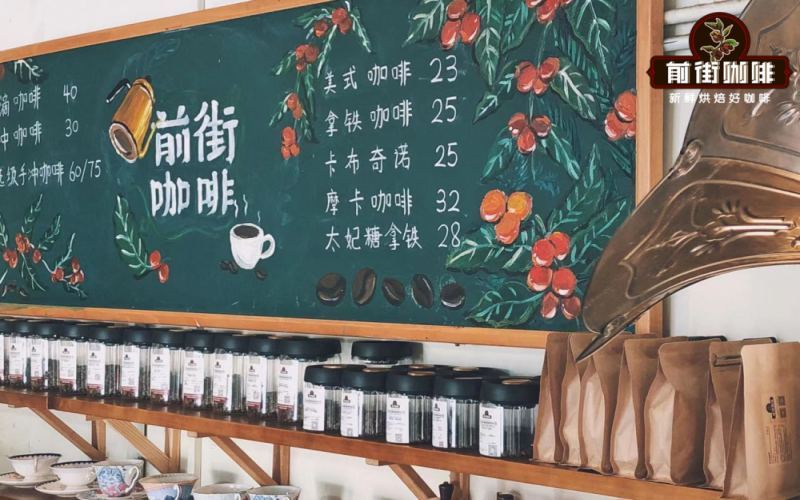
The Complete Guide to Flat White Coffee: The Origins of Starbucks' Name, Differences from Latte and Cappuccino, and How to Make It
Flat White, this milk coffee originating from Australia, quickly gained popularity after Starbucks introduced it to the masses under the name "Fu Rui Bai." How exactly does it differ from a latte or a cappuccino? Why do both Australia and New Zealand claim to be its birthplace? And how should a proper Flat White be made? This article will take you through the naming story and origin controversy of the Flat White, compare the differences in milk foam thickness among these three hot milk coffees, and break down the complete process from espresso extraction to milk steaming in detail. It also specifically shares Front Street Coffee's extraction parameters and flavor performance when using the "Sunflower Warm Sun Blend" to make a Flat White, making it suitable for every enthusiast who wants to gain a deeper understanding of this coffee. [more…]
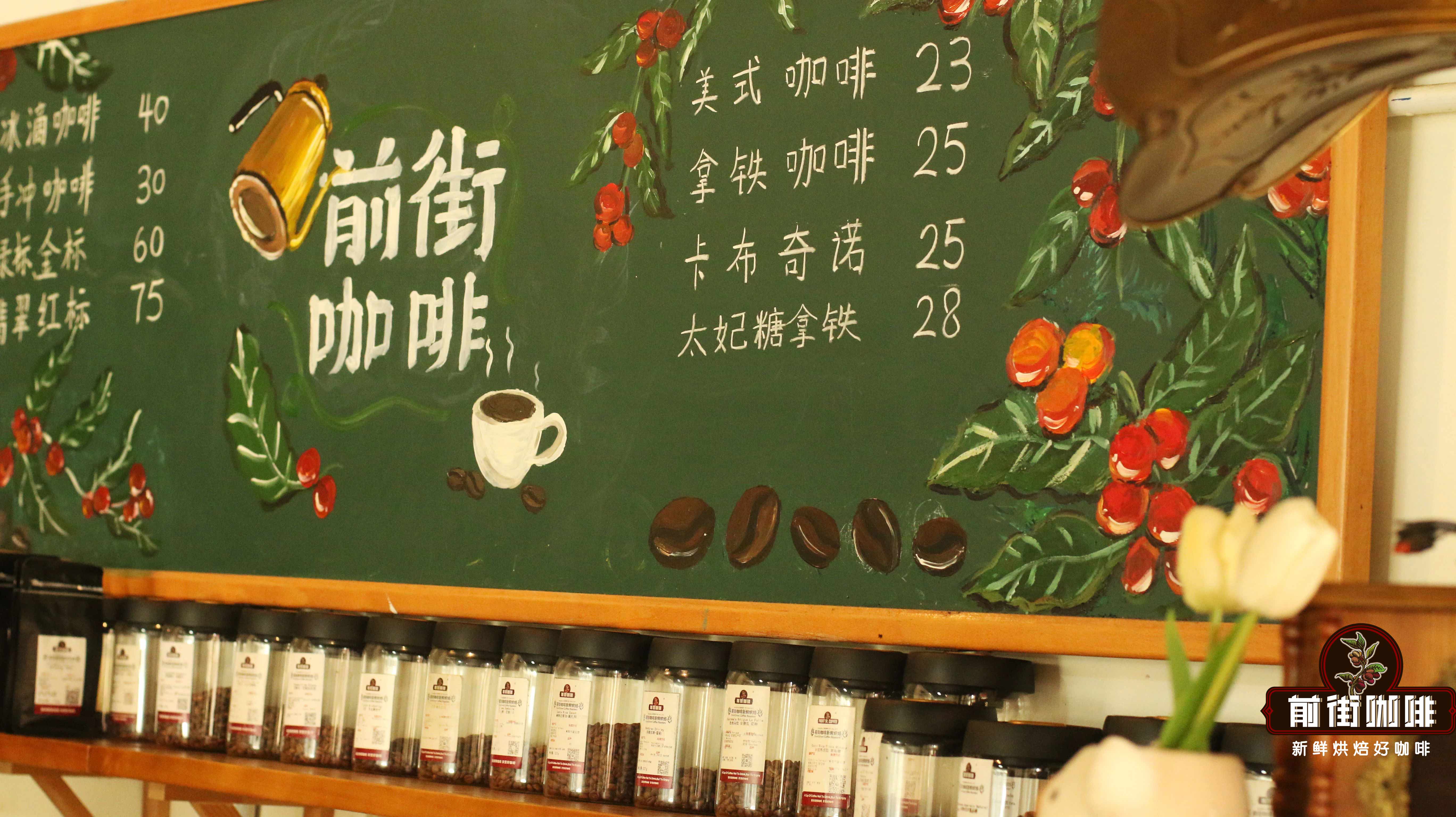
What exactly is the difference between Starbucks Flat White and Aussie Flat White? A comprehensive analysis from origin to preparation
On the menus of major coffee shops, Americano, Latte, and Flat White (or Fu Rui Bai) have long become familiar choices. Especially after Starbucks launched the Fu Rui Bai in 2020, this beverage quickly captured the hearts of many coffee enthusiasts. So, what kind of coffee is Fu Rui Bai exactly? Is there a difference between it and the Australian Flat White? This article will break down this classic milk coffee that sits between a latte and a cappuccino from multiple angles, including conceptual definitions, historical origins, and preparation methods, and share the specific parameters and blend choices used by Front Street Coffee when making Fu Rui Bai in-store. [more…]
Espresso Tasting and Pairing Handbook: Drinking Techniques and Flavor Pairings from Single to Con Panna
Espresso, called by many seasoned enthusiasts the gongfu tea of the coffee world, is both the base of flavored coffee drinks and a way to present pure flavor on its own. This article systematically sorts through the drinking methods and pairing suggestions for four classic espressos—Single espresso, Macchiato, Double espresso, and Con panna—breaking down the finer points one by one, from cup volume, milk foam, and strength to the thickness of the crema. At the same time, it combines Front Street Coffee's product recommendations to help coffee lovers find the cup that suits them better, whether at home or in a café. [more…]

What's the difference between Fu Rui Bai, Chun Yi Bai, and Ao Rui Bai? A full breakdown of ordering and taste for the three Flat Whites
Flat White, Café au Lait Art, and Aussie White—these three names sound distinctive, but in fact they all refer to the same coffee: Flat White. It sits between a latte and a cappuccino, known for a higher proportion of espresso and finer, lighter milk foam. This article will break down this milk coffee from the Southern Hemisphere one by one, starting from the controversy over its origin, differences in recipes, milk foam thickness, and the actual offerings of the three major domestic chain brands. Whether you want to understand the difference between Ristretto and Espresso, or want to know how to order a better-tasting cup at Starbucks, COSTA, and Luckin, Front Street Coffee sorts it all out for you. [more…]